


Nexford programs are flexibly paced—not self-paced. Study when it works for you, and stay on track with weekly deadlines. Live sessions are optional. Expect to be challenged: and plan to invest at least 10 hours per week. That’s what it takes to build real skills that deliver real career value.

Skills you will learn - and add to your résumé.
The AAS in AI for Business degree builds your foundational business skills in management, marketing, finance, and operations — then adds the applied AI, data, and automation skills to put them to work, preparing you to step into entry-level, technology-adjacent roles across any industry.

Apply AI in Business
Identify AI tools and use cases to improve workflows, decisions, and customer experience.

Program in Python & SQL
Write and adapt code in Python and SQL to clean, analyze, and automate business data.

Turn Data into Action
Use analytics and dashboards to solve problems and drive smart, data-based decisions.

Intelligent Automation
Design AI-augmented workflows that optimize efficiency and reduce manual work.

Communicate with Stakeholders
Translate data insights into decisions through clear, confident communication.

Apply Data Ethics & Law
Ensure responsible use of data by applying legal, ethical, and privacy frameworks.
Apply AI in Business
Identify AI tools and use cases to improve workflows, decisions, and customer experience.
Program in Python & SQL
Write and adapt code in Python and SQL to clean, analyze, and automate business data.
Turn Data into Action
Use analytics and dashboards to solve problems and drive smart, data-based decisions.
Intelligent Automation
Design AI-augmented workflows that optimize efficiency and reduce manual work.
Communicate with Stakeholders
Translate data insights into decisions through clear, confident communication.
Apply Data Ethics & Law
Ensure responsible use of data by applying legal, ethical, and privacy frameworks.
Courses in the Associate of Applied Science in AI for Business
You'll complete 20 courses - made up of general education courses and core AI and business courses. Courses are designed to take two months, but you can finish one in as little as one. You'll begin with one course at a time through your first four, then increase to two at a time as you progress. The whole program follows a set learning path, so you always know what's next. And it's built to stack into the Bachelor of Science in AI for Business if you choose to keep going.
Program Courses
Program Structure
You need 20 courses to complete your Associate of Applied Science in AI for Business
6 general courses
14 core courses
General Courses (6 required)
Statistics

Statistics emphasizes the analysis of data collection and statistics through the use of current technology. This course introduces learners to statistical terms, distributions, displaying and interpreting of data collected (probability, validity and reliability), effect size, measures of central tendency (mean, median and mode) and determining statistical significance. Learners analyze hypothesis testing and apply statistical techniques.
Professional Communication

Professional Communication places an emphasis on communication styles and approaches in today's workplace to include digital, verbal and nonverbal communication. The course focuses on the evaluation of case analysis and discussion and on practical business and professional communication skills, including writing, speaking, and listening. Emphasis is on clarity, organization, format, appropriate language, and consideration of audience, for both written and oral communication. Learners engage in self-assessment of communicative competence and learn strategies for enhancing their skills. The course explores how technology and other tools are integrated into communications within a professional setting and students will be able to identify appropriate and inappropriate professional communications.
Programming Fundamentals for Business
/Program%20courses/Webp%20assets/digitizing%20finance_webp.webp)
This foundational course introduces the core concepts of programming, data structuring, and automation that underpin informed business decision-making — built for people who need to work with data, not necessarily become engineers. Learners start with the fundamental logic and syntax shared across common programming languages, then build practical proficiency in the two tools that do the most work in a modern business context: SQL for retrieving and filtering data from relational databases, and Python for cleaning, manipulating, and analyzing it. Along the way, they learn to differentiate the data structures and types used to store and analyze business information, so the skills connect to real decisions rather than abstract exercises.
From there, the course extends from writing code to working smarter with it. Learners identify the business processes and workflows best suited for optimization through low-code automation, and apply fundamental security and ethical practices for handling data and writing code responsibly — a non-negotiable in any environment where data carries real weight. The emphasis throughout is hands-on and applied: every concept lands as a query written, a script run, or a process mapped. By the end, learners have the working fluency to retrieve their own data, clean it, analyze it, and automate the repetitive parts — the practical foundation an AI Translator builds everything else on.
Problem Solving & Critical Thinking

Problem Solving and Critical Thinking considers how most successful professionals of the 21st century will be able to assess an environment, analyze a situation, design alternative solutions, and assist organizations in creatively overcoming challenges and reaching strategic goals.
This course focuses on the development of reasoning and problem-solving skills by using the scientific method to analyze case studies and controversial topics. Learners consider cultural differences in reasoning, inductive and deductive logic, and how to use positive inquiry and synthesis to solve individual and organizational problems. Emphasis is placed on successful models and proven methods that are transferable within the work environment.
Design Thinking & Human-Centered Innovation
/Program%20courses/Webp%20assets/staffing-and-development_webp.webp)
This course grounds innovation where it belongs — in real human needs and ethical creativity. Fulfilling the program's Humanities requirement, it explores the aesthetic and philosophical dimensions of design and invention, then puts them to practical use through the Design Thinking methodology. Learners work through the full arc — empathy, problem definition, ideation, prototyping, and testing — to develop solutions that are both technically feasible and genuinely centered on the people who'll use them. They begin with empathy and user research to frame authentic human-centered problems, then examine the aesthetic and functional aspects of design that shape how people interact with a product and experience it.
From there, the course builds the creative and critical muscles that separate real innovation from guesswork. Learners use divergent and convergent thinking to generate and sharpen ideas, develop low-fidelity prototypes and test plans to validate feasibility and user acceptance, and evaluate the ethical and societal implications of design choices across diverse user populations — because in a technology-driven world, who a solution serves and who it overlooks is a design decision in itself. The course closes on communication: presenting insights, validated prototypes, and the reasoning behind them to stakeholders. By the end, learners have a repeatable framework for developing products and strategies that hold up to both human and ethical scrutiny.
Physical Science of Artificial Systems
/Program%20courses/Webp%20assets/robotics%20and%20automation_Webp.webp)
This course grounds the study of intelligence in core physical science principles — because every AI model, no matter how abstract it feels, runs on real hardware bound by real physical laws. Learners explore the relationship between the physical limits of computation, the energy demands of processing, and the biological systems that inspired modern machine learning in the first place. They start with the thermodynamics and hard physical limits of computation — how fundamental laws cap processing speed and what that means for system design — then examine how biological neural structures and brain functions became the architectural blueprint for artificial neural networks and deep learning. The result is a scientific lens on AI that most business-focused programs skip entirely.
From there, the course connects physical science to the decisions shaping AI's future. Learners evaluate the energy consumption, heat generation, and sustainability challenges of deploying large-scale models — an increasingly business-critical concern — and survey emerging physical technologies like quantum computing that stand to redefine what's computationally possible. They relate physical system science to the performance and scalability of interconnected intelligent devices (IoT), and close by weighing the physical, safety, and ethical consequences of increasingly autonomous systems operating in the real world. By the end, learners understand not just what AI can do, but the physical realities, costs, and limits that govern what it can do responsibly — context that sharpens every downstream design and strategy decision.
Core Courses (14 required)
AI Innovator's Roadmap

This course is the launchpad for an undergraduate degree built for the AI-shaped economy. It gives learners a strategic overview of the artificial intelligence landscape — defining the core terminology, tracing how the field evolved, and establishing why hybrid skillsets carry real business value. Rather than treating AI as a purely technical subject, the course centers the role of the AI Translator: the person who can sit in a strategy meeting and a Python notebook in the same afternoon, and who knows the difference between a technical problem domain and a strategic one. Learners build the vocabulary and judgment to frame an AI problem correctly before a single line of code is written.
Beyond the landscape, the course tackles the questions that decide whether an AI deployment succeeds or backfires. Learners examine the fundamental ethical dilemmas and governance frameworks that shape data usage and responsible deployment, developing the kind of decision-making employers expect from anyone directing AI work. The course also includes the essential scaffolding for academic success — strategies for managing time, resources, and self-directed learning across the program — and closes with a personal career roadmap that aligns individual competencies with target roles in the applied AI field. By the end, learners leave with both the foundation and the direction to move through the rest of the degree with intent.
Principles of Management

Principles of Management focuses on how to create a personal and shared vision and communicate effectively with teams as a leader, manager, and team member. Topics include how to set effective goals and expectations, understanding cultures, the difference between management and leadership, team membership and leadership, and the global workplace.
Introduction to AI

The Introduction to AI course introduces the fundamental concepts of AI, exploring its transformative impact across industries. Learners examine various AI tools and technologies and their interconnected applications in business, healthcare, education, and manufacturing. Additional topics include the ethical implications of AI, future trends, and strategies for integrating AI into decision-making and operations effectively.
Data Analytics
Advances in data collection, machine learning, and computational power have fueled institutional progress. The volume of available data has grown exponentially, and algorithms have continued to advance along with greater computational power and storage. As organizations become more inundated with data, having systems and processes in place to better understand and interpret data is highly important. This course focuses on how organizations can identify, evaluate and use data effectively. As consumers become increasingly savvy with their use of data, organizations need to change their responses. The use of data for all types of business from a large organization to a small retail shop will continue to become more sophisticated. This course provides an understanding of the data analysis process. Learners examine how technology has improved the ability to collect, analyze and interpret data, and they investigate data analysis tools and technologies to improve the decision making process.
Business Career Branding for Success

The Business Career Branding for Success course engages learners in developing and strengthening the business and personal component of one’s own career brand. The learner takes the role of a personal CEO and uses business tools to analyze competitive strengths and weaknesses, create a competency profile, document high-demand marketable and transferable skills, craft a resume, and develop a lifelong learning and career development plan that will be revisited throughout the degree program. This course is divided into two parts: Part one is completed when the learner first enrolls to establish a competitive benchmark pre-assessment and initial lifelong learning and career development action plan to be revisited throughout the program during specific course milestones, and Part two concludes in a capstone post-assessment that enables the learner to re-evaluate competitive strengths and weaknesses, finalize the lifelong learning and career development action plan, and create a personal brand and business plan for the individual career path. This course is continually available to learners to revisit and review throughout their studies at NXU from enrollment to graduation.
Fundamentals of Digital Transformation

Fundamentals of Digital Transformation is the foundational course for the Digital Transformation specialization. This course provides a survey of three types of capability transformations that enable digital transformation: people, tool, and process. At the people capability level, digital transformation requires the organization to hire and retain customer-centric and service-oriented talent; this talent search demands more collaboration and knowledge sharing while breaking down the silos between business and technology. At the tool capability level, a horizontal digital enabling layer is required to be developed, covering big data analytics, artificial intelligence, robotics, IoT, wearables, augmented and artificial reality, and modular manufacturing. Vertical business applications require digitization by the horizontal digital enablers in vertical business applications such as supply chain management, customer experience, finance and administration, and more. At the process capability level, digital transformation requires the business processes to be automated via the horizontal digital enablers.
Financial Accounting

Financial Accounting focuses on the foundations of financial accounting concepts and methods used to generate, analyze, and interpret financial statements. Learners perform journal entries and record-keeping of transactions with an understanding of how these accounts are measured and reported in major financial statements.
Process & Quality Management

This course equips learners with the knowledge and skills to analyze, improve, and manage business processes, with a focus on achieving operational excellence. Learners will learn to apply Lean Six Sigma methodologies, quality management tools, and data analysis techniques to optimize workflows, reduce costs, and enhance customer satisfaction. The course culminates in Yellow Belt and Green Belt certifications, validating learners' expertise in process improvement and quality management.
Cloud Computing for AI & Business
/Program%20courses/Webp%20assets/cloud%20computing_webp.webp)
This course provides a conceptual and applied understanding of the cloud computing services, architecture, and deployment models that power modern business and AI solutions. Learners start with the building blocks — core cloud architecture and the difference between IaaS, PaaS, and SaaS — then move quickly into the decisions that matter: how to read the non-functional requirements behind a business need, and how to evaluate a cloud solution against security, privacy, compliance, and data governance realities. Rather than memorizing one vendor's product menu, learners develop transferable judgment for assessing cloud-based options on their merits, building the kind of strategic literacy that holds up regardless of which platform an employer runs on.
From there, the course turns hands-on and outcome-focused. Learners practice accessing and applying cloud-based cognitive services and pre-trained AI models to solve straightforward problems, then learn to formulate a basic business case — cost justification included — for migrating a legacy application or service to the cloud. The course closes on the skill that often separates a technical contributor from a strategic one: communicating the technical and business benefits of cloud adoption clearly to management and stakeholders. By the end, learners can connect cloud capability to business value and defend that connection in front of the people who sign off on it.
Marketing Fundamentals

Marketing Fundamentals is the foundational course for the Marketing specialization and is an introduction to the role of marketing in advancing the success of a product, service, experience or organization. Learners explore the evolution of marketing to include a review of the key marketing principles relevant in today’s workplace, an overview of the evolution from the traditional to digital marketing platform, and the differentiation between marketing a product or service versus marketing an experience. Learners examine functions and trends that are critical to staying competitive in the marketplace. This course introduces the functions of an organization for creating, communicating, and delivering value to customers. Designed to meet customers’ needs and organizational goals, these functions include marketing and behavioral science research, environmental monitoring, target market selection, product selection, promotion, distribution and pricing.
Intelligent Process Automation

Intelligent Process Automation engages learners in understanding how the interconnectivity of devices via the Internet is harnessed to improve robotic manufacturing processes. This course provides an overview of IoT architecture. Within the context of IoT ecosystems, learners explore software product design with cyber models, application modeling, IoT value modeling, and hardware product design with sensors, embedded systems, and connected sensors. Topics also include an overview of the network fabric in IoT, operational technology (OT), information technology (IT) and fog networks, IoT product cloud, and IoT platforms. This course provides an overview of intelligent process automation (IPA) and five major technologies supporting robotic process automation (RPA): smart workflow, machine learning, advanced analytics, natural-Language generation, and cognitive agents.
Digital Solutions Architecture
/Program%20courses/Webp%20assets/digitizing%20supply%20chain%20management_webp.webp)
This course teaches the conceptual and architectural thinking required to design and integrate complex digital solutions for modern business problems. Learners begin where every sound system starts — with the problem itself — mastering techniques for framing business challenges and gathering requirements before reaching for a solution. From there, the course moves into the core craft of architecture: selecting appropriate infrastructure across cloud, API, and platform options, choosing data architectures that fit the need, and designing conceptual solutions that pull multiple services, data sources, and external platforms into one cohesive functional model. Throughout, the emphasis is on bridging strategic business goals with technical feasibility, so design decisions are defensible on both fronts.
The second half turns architecture into something actionable and communicable. Learners evaluate architectural patterns, tools, and platforms against non-functional requirements such as cost, security, and scalability, then model the flow of data and logic using standardized documentation and diagramming techniques. They practice translating a conceptual design into technical requirements and user stories that an implementation team can actually build from, and close on the skill that defines a strong solutions architect: communicating the rationale and risk assessment behind a proposed architecture to technical and executive stakeholders alike. By the end, learners can carry a digital solution from a vague business problem all the way to a clear, justified design — and bring decision-makers along with them.
Low-Code Development
/Program%20courses/Webp%20assets/data%20analytics_webp.webp)
This course is a practical guide to rapidly building and deploying functional digital applications using low-code tools. It picks up where architectural design leaves off, assuming that foundation and shifting the focus entirely to hands-on implementation. Learners set up their platform and start building immediately — designing usable, accessible user interfaces and experiences, implementing core application features, and constructing the business logic and multi-step workflows that turn a static screen into a working tool. The emphasis throughout is on doing the work: every concept lands as something the learner builds, not something they read about.
From there, the course covers what real-world delivery actually demands. Learners execute API calls and integration routines to connect their applications to external data sources and services, then test functionality against defined business requirements and quality assurance standards. They develop the troubleshooting instincts that separate a finished build from a fragile one — diagnosing API connection errors, data flow problems, and runtime performance issues — before deploying a finalized application and generating the documentation needed for user enablement and ongoing maintenance. By the end, learners have moved a complete application from setup to deployment, with the practical fluency to do it again on the job.
Fundamentals of Cybersecurity

Information is the lifeblood for organizations of all types. Therefore, everyone needs to have a fundamental understanding of the interdisciplinary field of cybersecurity. This course provides this fundamental knowledge by taking the learner through the evolution of discipline from information security to cybersecurity. Learners evaluate several important laws, which have significant impact on cybersecurity strategy. Learners also investigate multiple cybersecurity technologies, processes, and procedures and learn how to analyze threats, vulnerabilities, and risks in these environments, and develop appropriate mitigation strategies by applying a mission-focused and risk-optimized approach. This survey course introduces learners to the three primary sources of threats (technology, policy, and people, both internal and external) and the three classes of tools (technology, policy, and people) used to develop an organizational cybersecurity strategy. This course and exercises are designed to emphasize, encourage and enhance the critical thinking abilities of learners. Although the course is not designed to prepare learners for this test, the material covered in this course includes most of the knowledge tested in the CompTIA Security+ exam. Learners will apply their learning by performing systematic case studies of actual organizations.
You need 20 courses to complete your Associate of Applied Science in AI for Business
6 general courses
14 core courses
Statistics
Statistics emphasizes the analysis of data collection and statistics through the use of current technology. This course introduces learners to statistical terms, distributions, displaying and interpreting of data collected (probability, validity and reliability), effect size, measures of central tendency (mean, median and mode) and determining statistical significance. Learners analyze hypothesis testing and apply statistical techniques.
Professional Communication
Professional Communication places an emphasis on communication styles and approaches in today's workplace to include digital, verbal and nonverbal communication. The course focuses on the evaluation of case analysis and discussion and on practical business and professional communication skills, including writing, speaking, and listening. Emphasis is on clarity, organization, format, appropriate language, and consideration of audience, for both written and oral communication. Learners engage in self-assessment of communicative competence and learn strategies for enhancing their skills. The course explores how technology and other tools are integrated into communications within a professional setting and students will be able to identify appropriate and inappropriate professional communications.
Programming Fundamentals for Business
This foundational course introduces the core concepts of programming, data structuring, and automation that underpin informed business decision-making — built for people who need to work with data, not necessarily become engineers. Learners start with the fundamental logic and syntax shared across common programming languages, then build practical proficiency in the two tools that do the most work in a modern business context: SQL for retrieving and filtering data from relational databases, and Python for cleaning, manipulating, and analyzing it. Along the way, they learn to differentiate the data structures and types used to store and analyze business information, so the skills connect to real decisions rather than abstract exercises.
From there, the course extends from writing code to working smarter with it. Learners identify the business processes and workflows best suited for optimization through low-code automation, and apply fundamental security and ethical practices for handling data and writing code responsibly — a non-negotiable in any environment where data carries real weight. The emphasis throughout is hands-on and applied: every concept lands as a query written, a script run, or a process mapped. By the end, learners have the working fluency to retrieve their own data, clean it, analyze it, and automate the repetitive parts — the practical foundation an AI Translator builds everything else on.
Problem Solving & Critical Thinking
Problem Solving and Critical Thinking considers how most successful professionals of the 21st century will be able to assess an environment, analyze a situation, design alternative solutions, and assist organizations in creatively overcoming challenges and reaching strategic goals.
This course focuses on the development of reasoning and problem-solving skills by using the scientific method to analyze case studies and controversial topics. Learners consider cultural differences in reasoning, inductive and deductive logic, and how to use positive inquiry and synthesis to solve individual and organizational problems. Emphasis is placed on successful models and proven methods that are transferable within the work environment.
Design Thinking & Human-Centered Innovation
This course grounds innovation where it belongs — in real human needs and ethical creativity. Fulfilling the program's Humanities requirement, it explores the aesthetic and philosophical dimensions of design and invention, then puts them to practical use through the Design Thinking methodology. Learners work through the full arc — empathy, problem definition, ideation, prototyping, and testing — to develop solutions that are both technically feasible and genuinely centered on the people who'll use them. They begin with empathy and user research to frame authentic human-centered problems, then examine the aesthetic and functional aspects of design that shape how people interact with a product and experience it.
From there, the course builds the creative and critical muscles that separate real innovation from guesswork. Learners use divergent and convergent thinking to generate and sharpen ideas, develop low-fidelity prototypes and test plans to validate feasibility and user acceptance, and evaluate the ethical and societal implications of design choices across diverse user populations — because in a technology-driven world, who a solution serves and who it overlooks is a design decision in itself. The course closes on communication: presenting insights, validated prototypes, and the reasoning behind them to stakeholders. By the end, learners have a repeatable framework for developing products and strategies that hold up to both human and ethical scrutiny.
Physical Science of Artificial Systems
This course grounds the study of intelligence in core physical science principles — because every AI model, no matter how abstract it feels, runs on real hardware bound by real physical laws. Learners explore the relationship between the physical limits of computation, the energy demands of processing, and the biological systems that inspired modern machine learning in the first place. They start with the thermodynamics and hard physical limits of computation — how fundamental laws cap processing speed and what that means for system design — then examine how biological neural structures and brain functions became the architectural blueprint for artificial neural networks and deep learning. The result is a scientific lens on AI that most business-focused programs skip entirely.
From there, the course connects physical science to the decisions shaping AI's future. Learners evaluate the energy consumption, heat generation, and sustainability challenges of deploying large-scale models — an increasingly business-critical concern — and survey emerging physical technologies like quantum computing that stand to redefine what's computationally possible. They relate physical system science to the performance and scalability of interconnected intelligent devices (IoT), and close by weighing the physical, safety, and ethical consequences of increasingly autonomous systems operating in the real world. By the end, learners understand not just what AI can do, but the physical realities, costs, and limits that govern what it can do responsibly — context that sharpens every downstream design and strategy decision.
AI Innovator's Roadmap
This course is the launchpad for an undergraduate degree built for the AI-shaped economy. It gives learners a strategic overview of the artificial intelligence landscape — defining the core terminology, tracing how the field evolved, and establishing why hybrid skillsets carry real business value. Rather than treating AI as a purely technical subject, the course centers the role of the AI Translator: the person who can sit in a strategy meeting and a Python notebook in the same afternoon, and who knows the difference between a technical problem domain and a strategic one. Learners build the vocabulary and judgment to frame an AI problem correctly before a single line of code is written.
Beyond the landscape, the course tackles the questions that decide whether an AI deployment succeeds or backfires. Learners examine the fundamental ethical dilemmas and governance frameworks that shape data usage and responsible deployment, developing the kind of decision-making employers expect from anyone directing AI work. The course also includes the essential scaffolding for academic success — strategies for managing time, resources, and self-directed learning across the program — and closes with a personal career roadmap that aligns individual competencies with target roles in the applied AI field. By the end, learners leave with both the foundation and the direction to move through the rest of the degree with intent.
Principles of Management
Principles of Management focuses on how to create a personal and shared vision and communicate effectively with teams as a leader, manager, and team member. Topics include how to set effective goals and expectations, understanding cultures, the difference between management and leadership, team membership and leadership, and the global workplace.
Introduction to AI
The Introduction to AI course introduces the fundamental concepts of AI, exploring its transformative impact across industries. Learners examine various AI tools and technologies and their interconnected applications in business, healthcare, education, and manufacturing. Additional topics include the ethical implications of AI, future trends, and strategies for integrating AI into decision-making and operations effectively.
Data Analytics
Advances in data collection, machine learning, and computational power have fueled institutional progress. The volume of available data has grown exponentially, and algorithms have continued to advance along with greater computational power and storage. As organizations become more inundated with data, having systems and processes in place to better understand and interpret data is highly important. This course focuses on how organizations can identify, evaluate and use data effectively. As consumers become increasingly savvy with their use of data, organizations need to change their responses. The use of data for all types of business from a large organization to a small retail shop will continue to become more sophisticated. This course provides an understanding of the data analysis process. Learners examine how technology has improved the ability to collect, analyze and interpret data, and they investigate data analysis tools and technologies to improve the decision making process.
Business Career Branding for Success
The Business Career Branding for Success course engages learners in developing and strengthening the business and personal component of one’s own career brand. The learner takes the role of a personal CEO and uses business tools to analyze competitive strengths and weaknesses, create a competency profile, document high-demand marketable and transferable skills, craft a resume, and develop a lifelong learning and career development plan that will be revisited throughout the degree program. This course is divided into two parts: Part one is completed when the learner first enrolls to establish a competitive benchmark pre-assessment and initial lifelong learning and career development action plan to be revisited throughout the program during specific course milestones, and Part two concludes in a capstone post-assessment that enables the learner to re-evaluate competitive strengths and weaknesses, finalize the lifelong learning and career development action plan, and create a personal brand and business plan for the individual career path. This course is continually available to learners to revisit and review throughout their studies at NXU from enrollment to graduation.
Fundamentals of Digital Transformation
Fundamentals of Digital Transformation is the foundational course for the Digital Transformation specialization. This course provides a survey of three types of capability transformations that enable digital transformation: people, tool, and process. At the people capability level, digital transformation requires the organization to hire and retain customer-centric and service-oriented talent; this talent search demands more collaboration and knowledge sharing while breaking down the silos between business and technology. At the tool capability level, a horizontal digital enabling layer is required to be developed, covering big data analytics, artificial intelligence, robotics, IoT, wearables, augmented and artificial reality, and modular manufacturing. Vertical business applications require digitization by the horizontal digital enablers in vertical business applications such as supply chain management, customer experience, finance and administration, and more. At the process capability level, digital transformation requires the business processes to be automated via the horizontal digital enablers.
Financial Accounting
Financial Accounting focuses on the foundations of financial accounting concepts and methods used to generate, analyze, and interpret financial statements. Learners perform journal entries and record-keeping of transactions with an understanding of how these accounts are measured and reported in major financial statements.
Process & Quality Management
This course equips learners with the knowledge and skills to analyze, improve, and manage business processes, with a focus on achieving operational excellence. Learners will learn to apply Lean Six Sigma methodologies, quality management tools, and data analysis techniques to optimize workflows, reduce costs, and enhance customer satisfaction. The course culminates in Yellow Belt and Green Belt certifications, validating learners' expertise in process improvement and quality management.
Cloud Computing for AI & Business
This course provides a conceptual and applied understanding of the cloud computing services, architecture, and deployment models that power modern business and AI solutions. Learners start with the building blocks — core cloud architecture and the difference between IaaS, PaaS, and SaaS — then move quickly into the decisions that matter: how to read the non-functional requirements behind a business need, and how to evaluate a cloud solution against security, privacy, compliance, and data governance realities. Rather than memorizing one vendor's product menu, learners develop transferable judgment for assessing cloud-based options on their merits, building the kind of strategic literacy that holds up regardless of which platform an employer runs on.
From there, the course turns hands-on and outcome-focused. Learners practice accessing and applying cloud-based cognitive services and pre-trained AI models to solve straightforward problems, then learn to formulate a basic business case — cost justification included — for migrating a legacy application or service to the cloud. The course closes on the skill that often separates a technical contributor from a strategic one: communicating the technical and business benefits of cloud adoption clearly to management and stakeholders. By the end, learners can connect cloud capability to business value and defend that connection in front of the people who sign off on it.
Marketing Fundamentals
Marketing Fundamentals is the foundational course for the Marketing specialization and is an introduction to the role of marketing in advancing the success of a product, service, experience or organization. Learners explore the evolution of marketing to include a review of the key marketing principles relevant in today’s workplace, an overview of the evolution from the traditional to digital marketing platform, and the differentiation between marketing a product or service versus marketing an experience. Learners examine functions and trends that are critical to staying competitive in the marketplace. This course introduces the functions of an organization for creating, communicating, and delivering value to customers. Designed to meet customers’ needs and organizational goals, these functions include marketing and behavioral science research, environmental monitoring, target market selection, product selection, promotion, distribution and pricing.
Intelligent Process Automation
Intelligent Process Automation engages learners in understanding how the interconnectivity of devices via the Internet is harnessed to improve robotic manufacturing processes. This course provides an overview of IoT architecture. Within the context of IoT ecosystems, learners explore software product design with cyber models, application modeling, IoT value modeling, and hardware product design with sensors, embedded systems, and connected sensors. Topics also include an overview of the network fabric in IoT, operational technology (OT), information technology (IT) and fog networks, IoT product cloud, and IoT platforms. This course provides an overview of intelligent process automation (IPA) and five major technologies supporting robotic process automation (RPA): smart workflow, machine learning, advanced analytics, natural-Language generation, and cognitive agents.
Digital Solutions Architecture
This course teaches the conceptual and architectural thinking required to design and integrate complex digital solutions for modern business problems. Learners begin where every sound system starts — with the problem itself — mastering techniques for framing business challenges and gathering requirements before reaching for a solution. From there, the course moves into the core craft of architecture: selecting appropriate infrastructure across cloud, API, and platform options, choosing data architectures that fit the need, and designing conceptual solutions that pull multiple services, data sources, and external platforms into one cohesive functional model. Throughout, the emphasis is on bridging strategic business goals with technical feasibility, so design decisions are defensible on both fronts.
The second half turns architecture into something actionable and communicable. Learners evaluate architectural patterns, tools, and platforms against non-functional requirements such as cost, security, and scalability, then model the flow of data and logic using standardized documentation and diagramming techniques. They practice translating a conceptual design into technical requirements and user stories that an implementation team can actually build from, and close on the skill that defines a strong solutions architect: communicating the rationale and risk assessment behind a proposed architecture to technical and executive stakeholders alike. By the end, learners can carry a digital solution from a vague business problem all the way to a clear, justified design — and bring decision-makers along with them.
Low-Code Development
This course is a practical guide to rapidly building and deploying functional digital applications using low-code tools. It picks up where architectural design leaves off, assuming that foundation and shifting the focus entirely to hands-on implementation. Learners set up their platform and start building immediately — designing usable, accessible user interfaces and experiences, implementing core application features, and constructing the business logic and multi-step workflows that turn a static screen into a working tool. The emphasis throughout is on doing the work: every concept lands as something the learner builds, not something they read about.
From there, the course covers what real-world delivery actually demands. Learners execute API calls and integration routines to connect their applications to external data sources and services, then test functionality against defined business requirements and quality assurance standards. They develop the troubleshooting instincts that separate a finished build from a fragile one — diagnosing API connection errors, data flow problems, and runtime performance issues — before deploying a finalized application and generating the documentation needed for user enablement and ongoing maintenance. By the end, learners have moved a complete application from setup to deployment, with the practical fluency to do it again on the job.
Fundamentals of Cybersecurity
Information is the lifeblood for organizations of all types. Therefore, everyone needs to have a fundamental understanding of the interdisciplinary field of cybersecurity. This course provides this fundamental knowledge by taking the learner through the evolution of discipline from information security to cybersecurity. Learners evaluate several important laws, which have significant impact on cybersecurity strategy. Learners also investigate multiple cybersecurity technologies, processes, and procedures and learn how to analyze threats, vulnerabilities, and risks in these environments, and develop appropriate mitigation strategies by applying a mission-focused and risk-optimized approach. This survey course introduces learners to the three primary sources of threats (technology, policy, and people, both internal and external) and the three classes of tools (technology, policy, and people) used to develop an organizational cybersecurity strategy. This course and exercises are designed to emphasize, encourage and enhance the critical thinking abilities of learners. Although the course is not designed to prepare learners for this test, the material covered in this course includes most of the knowledge tested in the CompTIA Security+ exam. Learners will apply their learning by performing systematic case studies of actual organizations.
What’s it like to learn at Nexford?
Real-world projects
Real-world projects
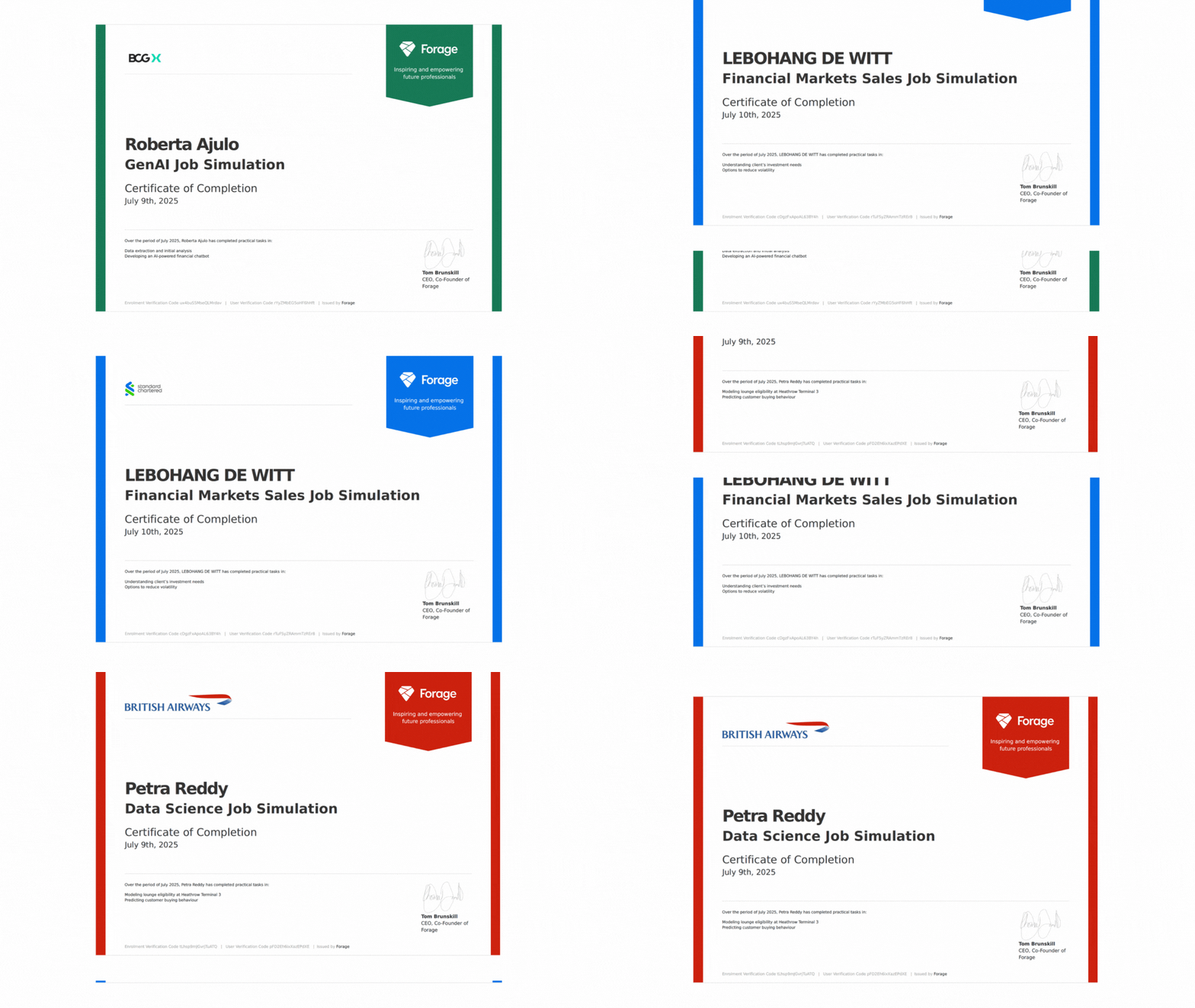
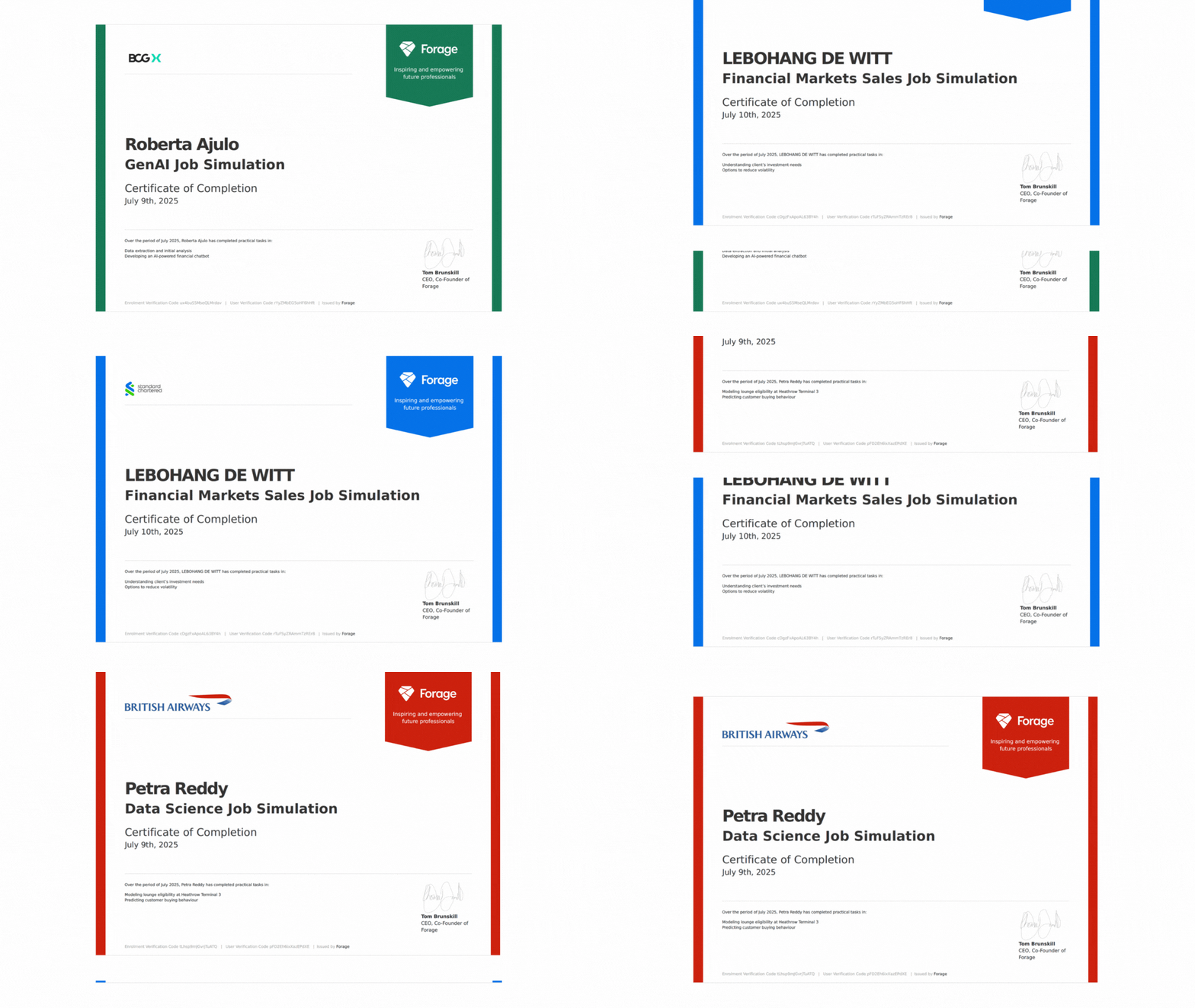
Build skills by doing. Every course includes hands-on projects that mirror real workplace challenges like building financial models plans, data dashboards, or marketing strategies. You won’t just learn about it - you’ll practice doing it. And projects are often curated from the world's largest organizations.
Flexible


Flexible
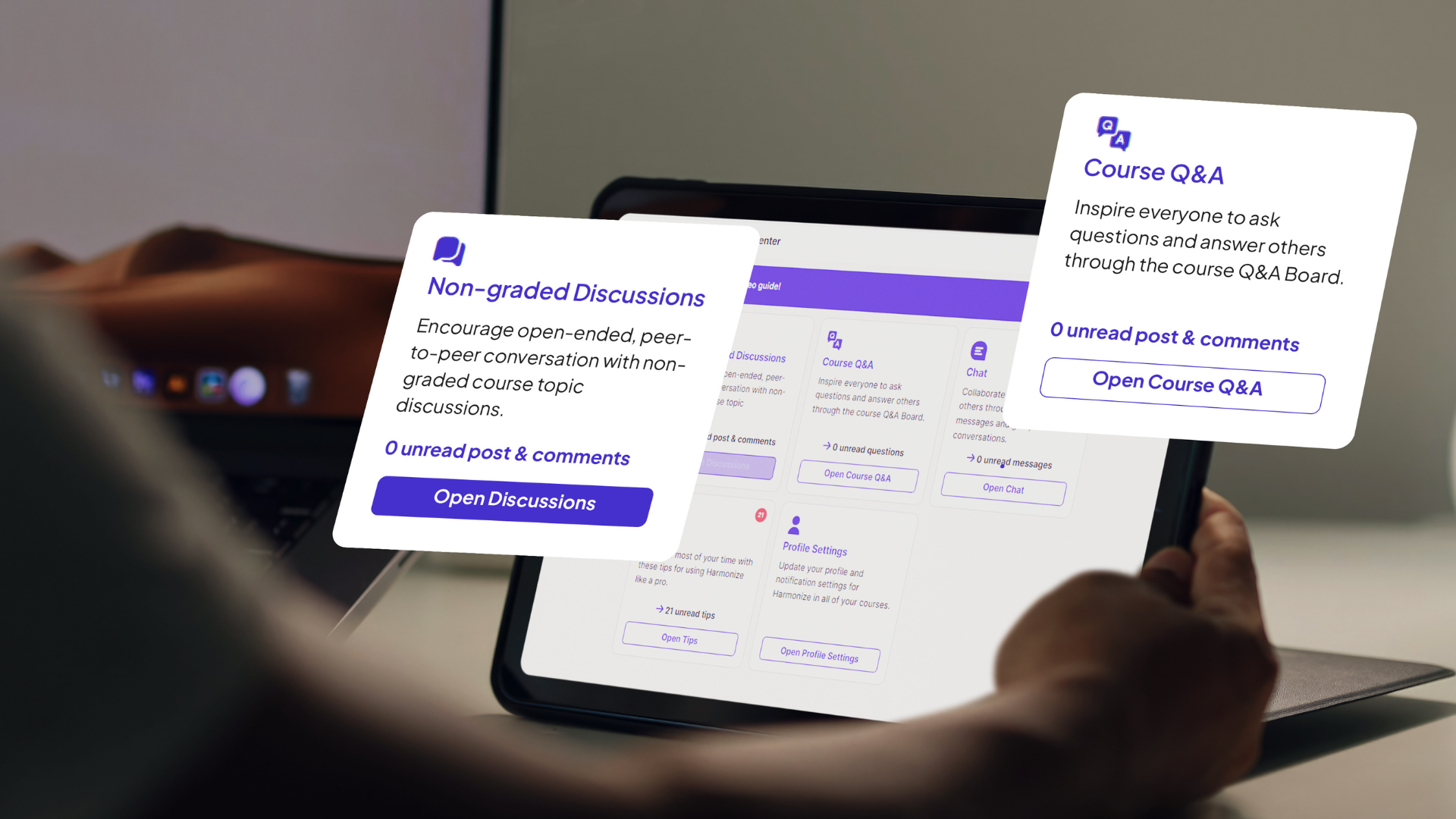
Collaborative learning
Collaborative learning
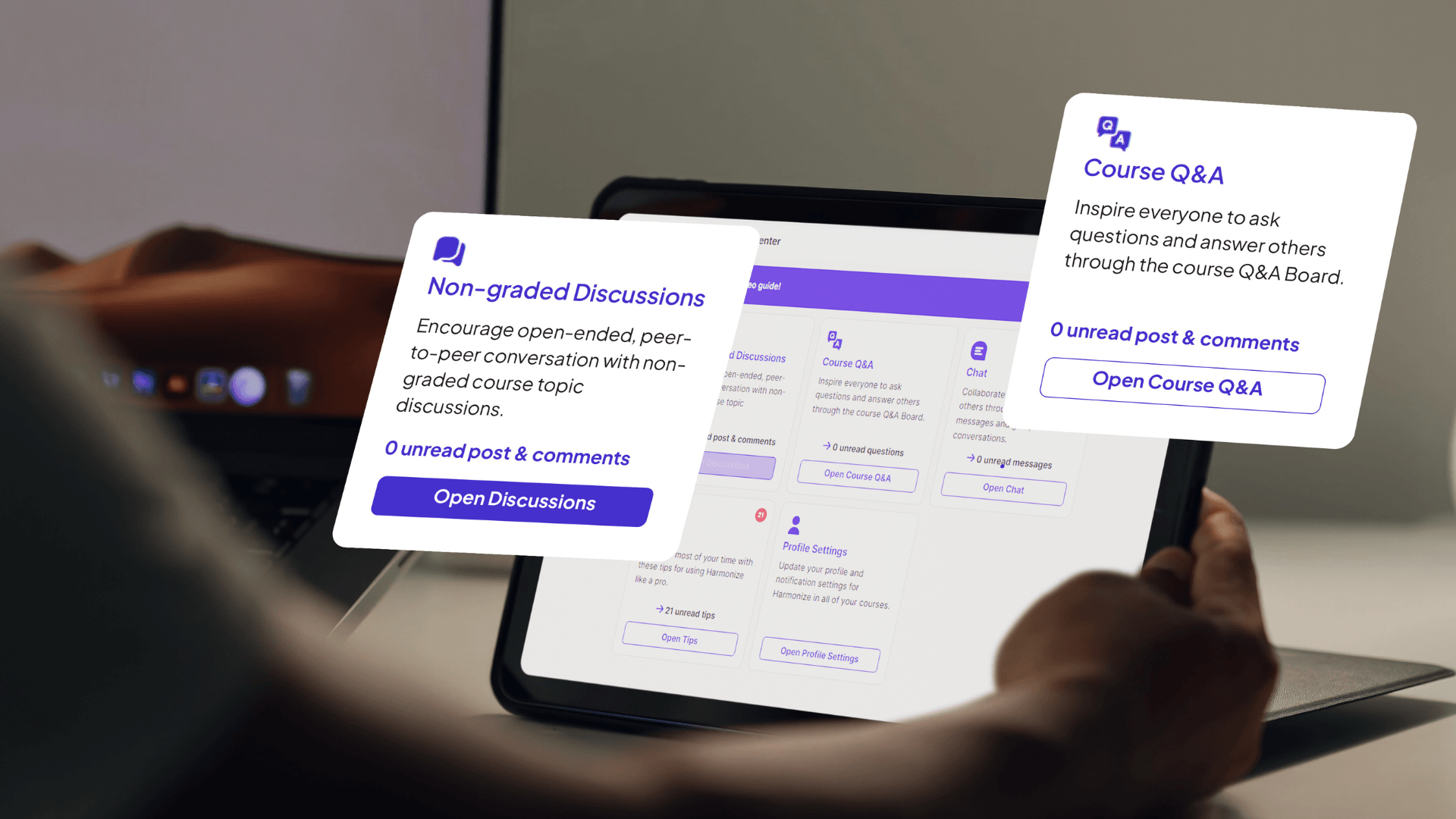
Work with peers from around the world on discussions that reflect global workplace dynamics. You won’t learn in a vacuum. Share ideas, get feedback, build a network - and be part of a global community that sharpens how you think.
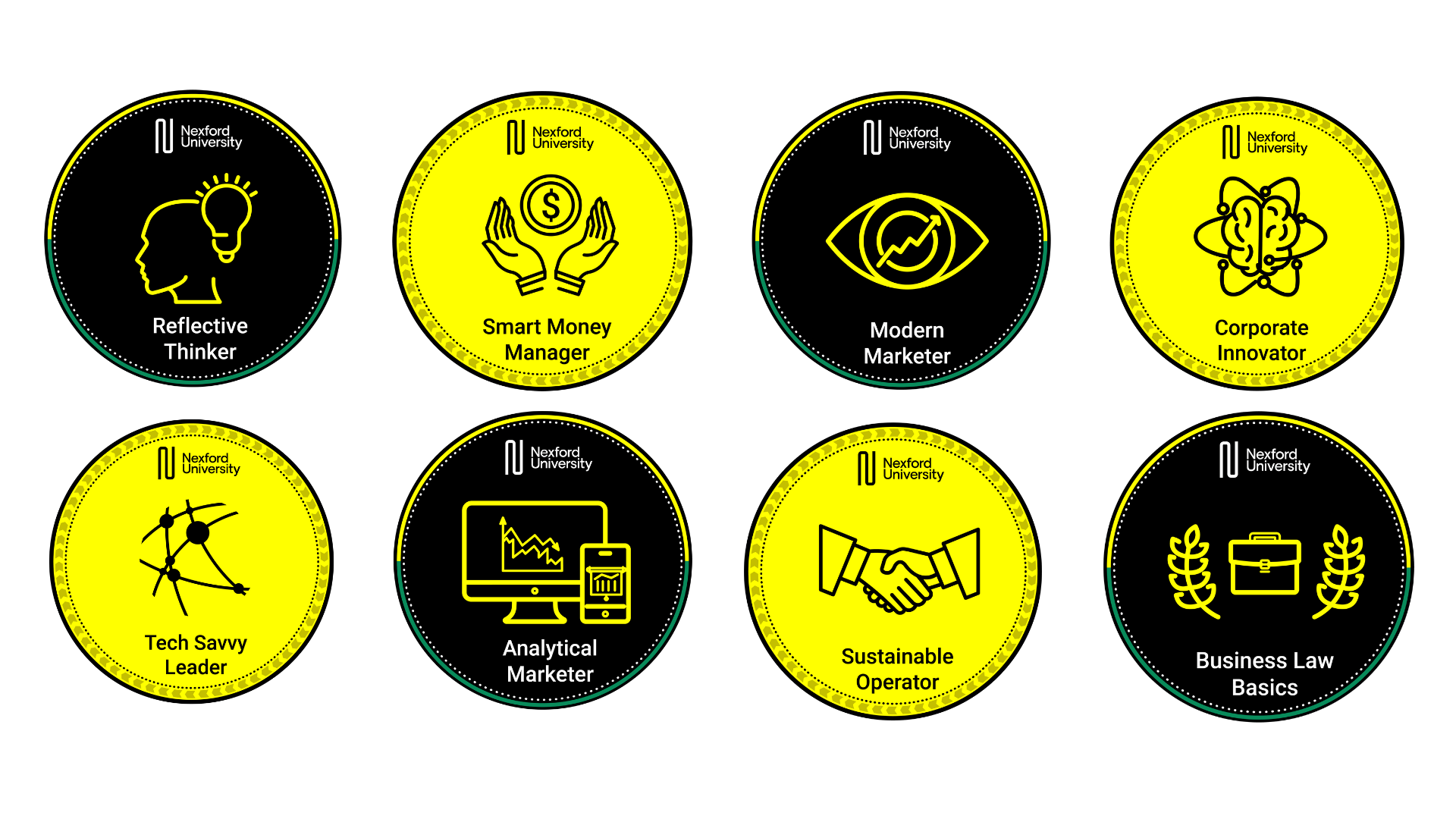
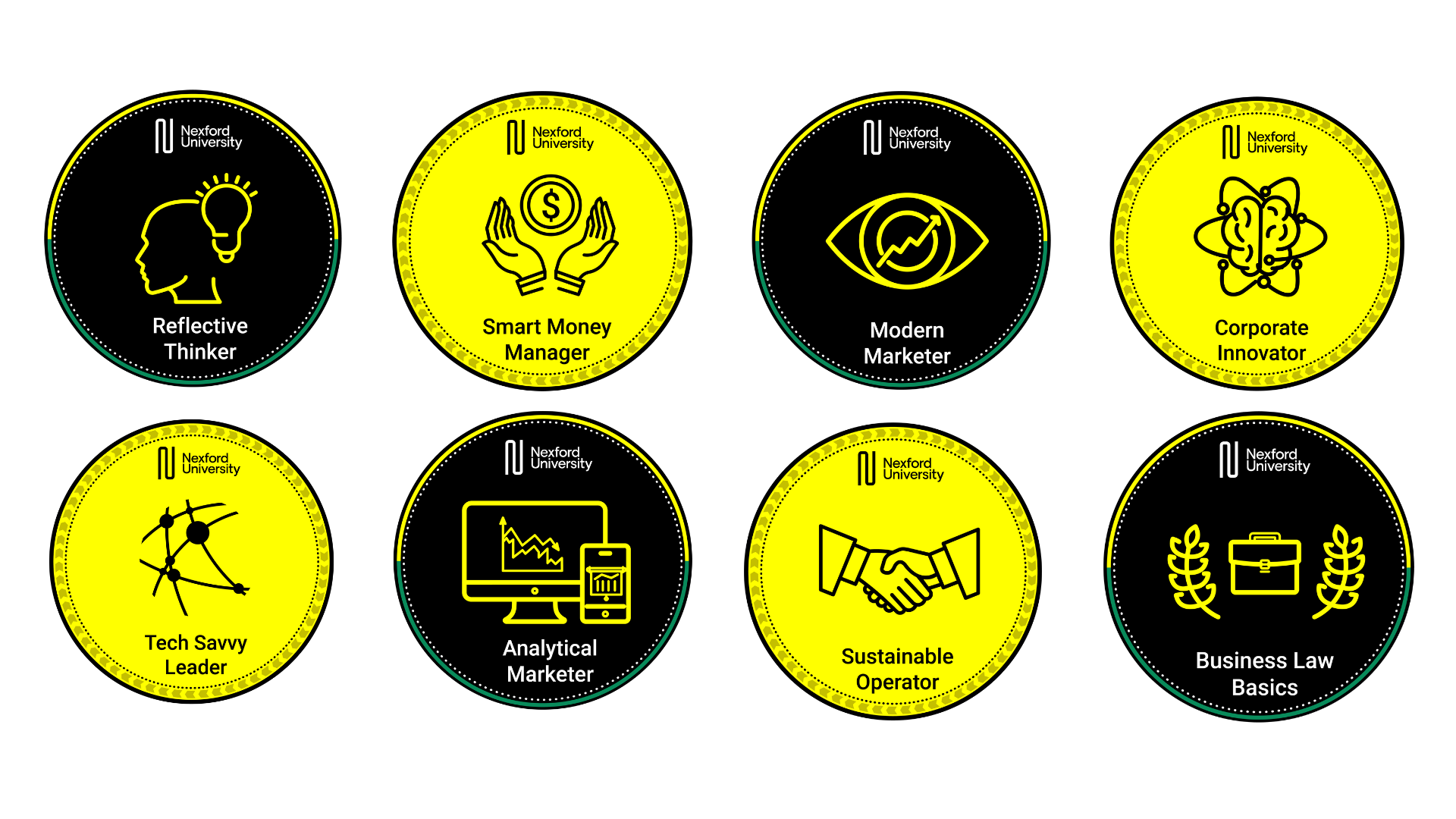
Rewarding learning
Rewarding learning
Earn certificates and digital badges for the skills you build - long before you finish your degree. Every project moves you forward and every milestone counts. Progress isn’t hidden, its rewarded and you get to share that progress as you grow.
Personalized support


Personalized support
You’re online but never alone. Book 1:1 time with faculty or advisors, join group sessions, or reach out anytime by chat, email, or online calls. Whether it’s academics or career advice, real humans are here - or bots if you prefer.
Technology enabled
Technology enabled
Expect a modern, fully online experience that just works - including on mobile. All required tools are included, and you’ll never pay extra for textbooks or software. No clunky systems or boring PDFs. Just online learning, made simple.
Associate of Applied Science in AI for Business admission requirements.
You can upload your documents 100% online today
Proof of Identity


Proof of Identity
As part of the admissions process, applicants are asked to provide a photo or scan of a government-issued form of identification and a passport-style photo or selfie.
Proof of high school completion


Proof of high school completion
Undergraduate degree program applicants must submit proof of high school completion or its equivalent (e.g., GED or national exam certificate).
Proof of English Proficiency


Proof of English Proficiency
If your previous education was in English, your transcript will serve as proof of English proficiency. You can also provide scores from an approved qualification exam.
Where our learners work.


Join us for a free virtual tour.
Join us live to see how learning at Nexford works, hear from alumni, and get your questions answered by current learners, faculty, and staff.

Free online webinar
Get a live preview of Nexford courses and the tools our learners use. Hear from our team dedicated to your success.
Free online webinar
Get a live preview of Nexford courses and the tools our learners use. Hear from our team dedicated to your success.
Your dedicated career success platform.
Your dedicated career success platform.

Personalized Career Recommendations
Discover your strengths and uncover your personalized career paths with AI-powered personality and job-fit assessments.

Smart Resume & Interview Tools
Build standout resumes and get real-time interview feedback to ace your next interview.

1:1 Career Coaching
Book time with expert coaches for personalized guidance on job searches, networking, and long-term planning.

Access thousands of additional courses
Access thousands of additional optional courses & certifications to help you level-up at no additional cost.
Real projects you'll complete in your AAS in AI for Business degree.
AI Readiness Assessment

Process Automation Blueprint
-Logo-wine.png)
Cloud Security Strategy

AI Readiness Assessment
Process Automation Blueprint
Cloud Security Strategy
Your career outlook as an Associate of Applied Science in AI for Business graduate.
You don't need years of experience to be valuable in the AI economy — you need the right hybrid skills. This degree gives you the entry point: the ability to support AI-enabled workflows, work with data, and speak the language of both business and technology. It's also the first step toward the AI Translator role you can grow into. These are the kinds of jobs it prepares you for.
Data & Analytics
- Data Analyst
- Junior Business Analyst
- Reporting Analyst
- Data Operations Assistant
AI & Automation
- Automation Assistant
- AI Support Specialist
- RPA Coordinator
- Process Analyst
Business Operations
- Business Operations Analyst
- Operations Coordinator
- Project Coordinator
- Quality Analyst
Marketing & Customer
- Marketing Analyst
- Digital Marketing Assistant
- CRM Coordinator
- Customer Insights Assistant

56%
The wage premium workers with AI skills command over peers in the same job without those skills — up from 25% the year before.

72%
Employers worldwide report difficulty filling roles, and for the first time AI skills have become the single hardest capability to find — overtaking traditional engineering and IT.

86%
Employers expect AI to transform their business by 2030, with AI and big data ranked among the fastest-growing skills.
Sources: PwC 2025 Global AI Jobs Barometer • ManpowerGroup 2026 Talent Shortage Survey • World Economic Forum Future of Jobs Report 2025 • Lightcast Labor Market Intelligence
Hear from our alumni and their employers.




Nexford is accredited.

Accredited by DEAC

The International Accreditation Council for Business Education (IACBE)
Accredited by DEAC
The International Accreditation Council for Business Education (IACBE)


