


Nexford programs are flexibly paced—not self-paced. Study when it works for you, and stay on track with weekly deadlines. Live sessions are optional. Expect to be challenged: and plan to invest at least 10 hours per week. That’s what it takes to build real skills that deliver real career value.

Skills you will learn - and add to your résumé
This online master's in artificial intelligence focuses on practical, high-demand skills. Required courses cover everything from deep learning to natural language processing, preparing you for the artificial intelligence degree that matters most—one backed by real impact. Employers don't pay for theory. They pay for impact. You'll graduate with a toolkit of high-demand, verifiable skills you can apply immediately—whether you're advancing in data science, computer science, or business intelligence roles, or looking to get promoted or hired.

Strategic Leadership
Synthesize complex financial data into clear, persuasive insights while leading teams with ethical, sustainable practices.

AI Governance & Ethics
Build the frameworks that ensure your AI deployment is legal, ethical, and secure.

Strategic AI Implementation
Identify high-value use cases and deploy solutions to solve real business problems.

Intelligent Automation
Design AI-augmented workflows that optimize efficiency and reduce manual work.

Value Quantification
Calculate and present the exact ROI of tech initiatives to stakeholders with confidence.
Change Management
Learn how to guide teams through adoption challenges and cultural transitions.

Product Lifecycle Management
Learn to manage AI and tech-enabled products using Agile and Lean methodologies.
Strategic Leadership
Synthesize complex financial data into clear, persuasive insights while leading teams with ethical, sustainable practices.
AI Governance & Ethics
Build the frameworks that ensure your AI deployment is legal, ethical, and secure.
Strategic AI Implementation
Identify high-value use cases and deploy solutions to solve real business problems.
Intelligent Automation
Design AI-augmented workflows that optimize efficiency and reduce manual work.
Value Quantification
Calculate and present the exact ROI of tech initiatives to stakeholders with confidence.
Change Management
Learn how to guide teams through adoption challenges and cultural transitions.
Product Lifecycle Management
Learn to manage AI and tech-enabled products using Agile and Lean methodologies.
Courses in the MS in AI & Technology Management
You’ll complete 12 courses - made up of required core courses and a selection of electives that you can choose from. Courses are designed to take two months, but you can finish in just one. You’ll begin with one course at a time and can increase your course load as you progress - at no extra cost.
Program Courses
Program Structure
You need 13 courses to complete your MS in AI & Technology Management
9 core courses
3 elective courses
1 capstone project
Core Courses (9 required)
Data Sciences for Decision Making

Data Sciences for Decision Making provides a foundation for learners to apply advanced analytics skills to complex data analysis and modes. Learners build an understanding of design, data analytics tools, and advanced analytics translators to communicate complex data-related requirements between data engineers, business, and IT stakeholders. Learners examine four major areas. First, there are momentum gains in the data and analytics revolution. Advances in data collection, machine learning, and computational power have fueled progress due to an exponential growth in the volume of data, continual advances in algorithms, and greater computational power and storage. Second, there are five elements of successful data analytics transformation: cases/sources of value, data ecosystems, modeling insights, workflow integration, and adoption. Third, the mapping value in data ecosystems includes data generation and collection, data aggregation, and data analysis. Fourth, models of distribution are fueled by big data analytics as business models are enabled by orthogonal data, hyper scale, real- time matching, radical personalization, massive data integration capabilities, data-driven discovery, and enhanced decision making.
Applied Machine Learning for Business Analytics

This course is designed to provide learners with a deep understanding of the core principles, techniques, and applications of machine learning in the context of data-driven analytics. The course focuses on equipping learners with the knowledge and skills required to develop, implement, and evaluate machine learning models that can be used to solve complex real-world problems in various industries, such as finance, healthcare, marketing, and supply chain management. Learners will explore a range of machine learning algorithms, including supervised and unsupervised learning techniques, reinforcement learning, and deep learning frameworks. They will also learn how to preprocess and analyze data, select appropriate features, and optimize model performance using evaluation metrics and validation strategies. Additionally, the course will cover ethical considerations and best practices in developing and deploying machine learning models.
Cybersecurity Leadership

Explore how our hyperconnected world, comprised of a myriad of networks – both machine and human – has brought us to the precipice of a fundamental revolution and redefinition of the human experience and our socio-political and military world order. Crime, news, and even warfare is digital today. Examine cybersecurity goals, cybersecurity tools, cybersecurity strategies, and how cybersecurity leadership underpins every aspect of cybersecurity strategy.
Technology & Operations Management

Technology plays a pivotal role in shaping and optimizing modern business operations. This comprehensive course delves into the intricate relationship between technology and operations management within organizations. It equips learners with the knowledge and skills necessary to assess technology architecture, evaluate human capital implications, analyze integration technology, and develop strategic approaches for embedding technology solutions. Through a blend of theoretical concepts, case studies, and practical applications, you will gain a deep understanding of how technology drives efficiency, innovation, and competitive advantage across various operating models.
The Laws & Ethics of Information Technology

This course offers a comprehensive understanding of the rapidly evolving field of IT's legal and ethical aspects, exploring the interplay between technology, law, and ethics. Topics covered include intellectual property rights, data privacy, cybersecurity, digital rights management, social media, artificial intelligence, and the societal impacts of emerging technologies. Learners will delve into ethical considerations and legal frameworks, guiding IT decision-making.
Essential Power Skills for Leaders & Entrepreneurs

This seminar aims to provide leaders and entrepreneurs with soft skills essential for excelling in the dynamic and diverse modern business environment. The program focuses on developing communication, leadership, problem- solving, and adaptability competencies. By the end of the course, participants will have improved their ability to lead their businesses, manage teams effectively, and make informed strategic decisions.
AI Strategy for Business Transformation
/Program%20courses/Webp%20assets/foundations-of-digital-transformation_webp.webp)
This course provides a comprehensive and strategic perspective on the Artificial Intelligence (AI) landscape, tailored specifically for managers seeking to drive business transformation. Learners will explore the diverse facets of AI technologies, ranging from foundational pattern analysis and predictive analytics to advanced neural networks and emerging large language models (LLMs). The course emphasizes the transition from technical understanding to tangible business value, guiding students in formulating robust strategies for adoption, initiative prioritization, and resource allocation.
A critical component of the curriculum is the focus on responsible innovation; students will learn to design governance frameworks to address the ethical implications and regulatory considerations inherent in AI development and deployment. Through the evaluation of strategic applications across the value chain, learners will develop the essential skills to lead cross-functional initiatives, communicate complex technical concepts to diverse stakeholders, and manage the successful implementation of AI solutions to ensure measurable organizational impact.
Leading AI-Driven Transformation

This course offers a comprehensive strategic framework for leading operational transformation through the power of Artificial Intelligence. Learners will dive deep into how AI reshapes the entire operational landscape, from customer-facing functions and product management to core business processes and administrative support. The curriculum emphasizes the critical alignment of people, processes, and technology, guiding students in designing AI-augmented workflows, implementing intelligent automation, and leveraging low-code/no-code solutions to drive efficiency.
Beyond the technology, the course focuses on the managerial imperatives of transformation. Students will explore how to integrate AI with enabling technologies like cloud computing and IoT, while developing robust data strategies to support these initiatives. Key modules cover the essential skills of change management, helping leaders navigate the cultural shifts required for AI adoption. Learners will conclude by constructing agile transformation roadmaps and building data-driven business cases that quantify value, mitigate risk, and ensure ethical standards in AI-driven automation are met.
Tech Enabled Product Management
/Program%20courses/Webp%20assets/marketing%20channels%20tactics%20and%20management_webp.webp)
This course provides a comprehensive framework for product management in the era of Artificial Intelligence and large-scale Digital Transformation. Learners will bridge the gap between foundational product principles and complex, technology-driven execution, adapting Agile and Lean methodologies specifically for AI-powered development. The curriculum emphasizes a user-centric approach, guiding students through Design Thinking to create transformative solutions and utilizing low-code/no-code platforms for rapid prototyping and validation.
Beyond development mechanics, the course focuses on the strategic application of AI for decision-making. Students will learn to formulate data-driven strategies using AI-powered analytics and construct outcome-based roadmaps. Key modules also address the leadership challenges of managing product teams through organizational change and navigating the ethical implications of data and AI, ensuring learners are prepared to manage the entire product lifecycle responsibly and effectively.
Elective Courses (3 required)
Robotics and Automation

Robotics and Automation engages learners in examining the Intelligent Process Automation (IPA) five core technologies. These are the following: robotic process automation (RPA), smart workflow, machine learning/ advanced analytics, natural-language generation (NLG) and cognitive agents. Learners will explore the inner workings of each of these five technologies during the course. RPA is a software automation tool that automates routine tasks. Smart workflow is a process-management software tool that integrates tasks performed by groups of humans and machines. Machine learning/advanced analytics includes algorithms that identify patterns in structured data, such as daily performance data. Natural-language generation (NLG) is a software engine that creates seamless interactions between humans and technology. Cognitive agents are technologies that combine machine learning and natural-language generation to build a completely virtual workforce.
Machine Learning Technology for Finance

This course aims to provide learners with a deep understanding of the application of machine learning techniques in the financial industry. The course will cover essential concepts, algorithms, and tools used in machine learning for finance, enabling learners to develop and implement innovative financial models and solutions. Learners will gain practical experience in applying machine learning techniques to real-world financial problems through content, interactive activities, multimedia, and case studies. Key topics that will be covered in this course includes financial data preprocessing and feature engineering, supervised learning algorithms for finance, unsupervised learning algorithms for finance, reinforcement learning for algorithmic trading, natural language processing for finance, portfolio optimization and risk management, regulatory compliance and ethical considerations.
Marketing Strategy

Marketing Strategy focuses on the advanced marketing and leadership skills required in today’s fast-paced technology driven global economy. Learners prepare for roles within the field of marketing and gain a solid understanding of the role of marketing, both in traditional and digital platforms, in defining and maintaining a brand and in meeting business objectives. Learners examine how technology and transformational approaches are critical to developing future-forward marketing strategies. Topics include leadership, strategic partnerships, and negotiating skills that are key contributors to successful business growth and company culture.
Executing a Vision: Product Design & Development for Entrepreneurs

Learn how to bridge the gap between abstract ideas and tangible products. This course is designed to equip learners with the necessary skills to validate ideas, conduct effective user research, and apply design thinking principles. Learners delve into the creation of personas, story mapping, and prototyping, all crucial elements in the design thinking process. The course also offers an in-depth look into engineering strategies, focusing on decision- making processes such as build vs. buy, and leadership. Learners explore Agile development and SCRUM practices, providing them with a solid foundation in modern, efficient product development methodologies. The course also covers the business aspects of new product development, ensuring learners are well-versed in the complete product lifecycle.
Information Visualization & Communication
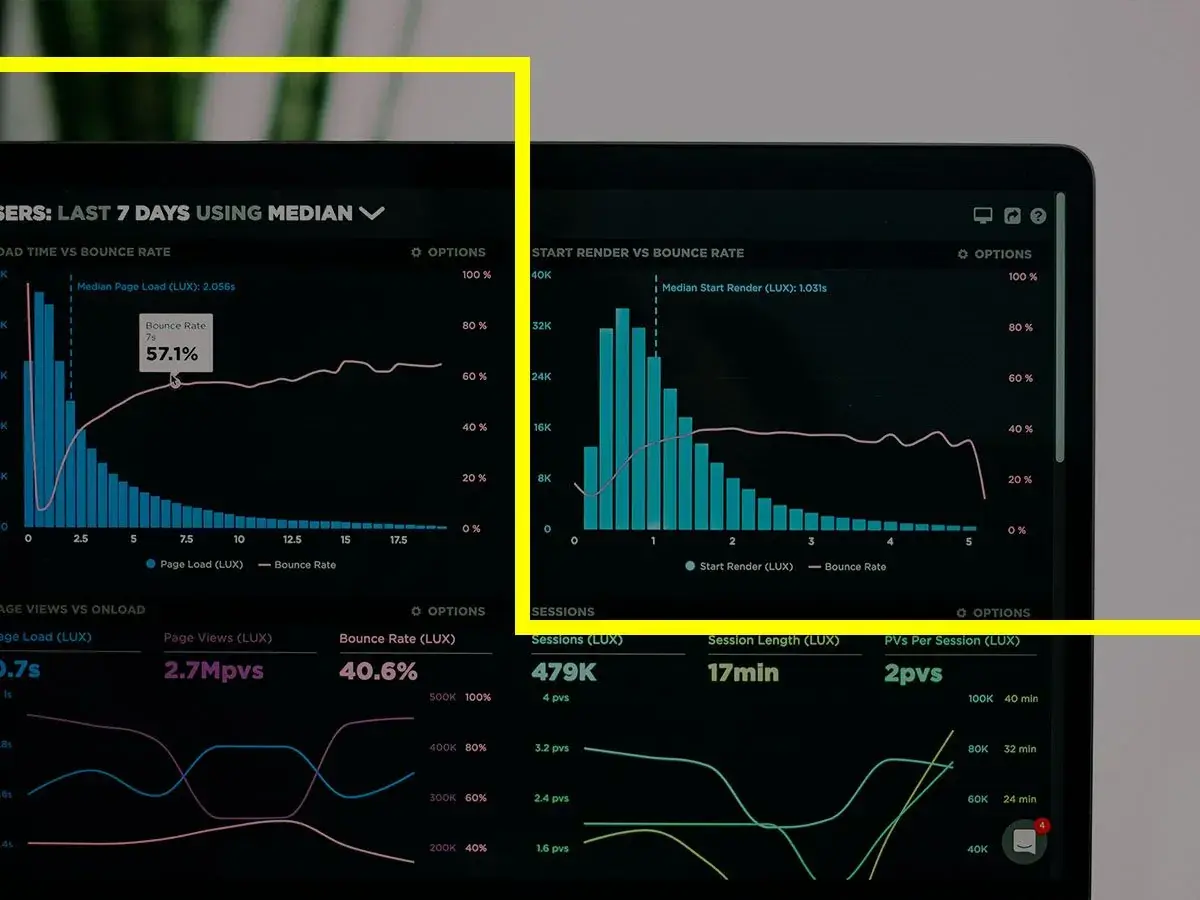
Analyzing and presenting data visually has become one of the most important skills for professionals who work with data. This course demonstrates how to design effective interactive visualizations of complex data for data discovery, analysis, and presentation. Learners utilize the information visualization and communication knowledge, and techniques presented in this course to create visuals from the information. This course develops a holistic set of skills to ideate, design, implement, and evaluate sophisticated data visualization projects. Concepts including visual encoding, human perception and visualization techniques are introduced so learners can develop effective interactive data visualizations for analysis and presentation through the skills and techniques used in data visualization. The course is structured to leverage authentic and realistic data and use case studies and other resources from the workplace to demonstrate the value of information visualization and communication.
Digital Transformation and Health Informatics

This course explores the transformative power of digital technologies and health informatics in modern healthcare. Learners will critically evaluate the role of health information systems and electronic health records (EHRs) in optimizing healthcare delivery. The course delves into the profound impact of artificial intelligence (AI) and data analytics on improving healthcare operations and enhancing patient care. You will develop practical strategies for the successful implementation and management of telehealth initiatives. A significant focus will be placed on understanding and navigating the critical legal, ethical, and security considerations associated with health information technology. Furthermore, you will have the opportunity to design an informatics intervention aimed at driving tangible improvements in healthcare outcomes or efficiency. Finally, the course will analyze emerging trends in robotics and their strategic implications for the future of healthcare.
Capstone project (1 required)
AI & Technology Management Capstone

This course serves as the culminating integrative experience for the MS in AI & Technology Management program, designed to synthesize the knowledge and strategic frameworks acquired throughout the core curriculum. Learners will engage in a rigorous project-based challenge, identifying a significant organizational opportunity and designing an innovative AI-driven solution to address it. The curriculum guides students through the development of a comprehensive strategic plan that encompasses technological architecture, operational transformation, cybersecurity, and product management considerations.
Beyond technical execution, the course places a strong emphasis on responsible leadership and executive communication. Students will design governance frameworks to ensure ethical and legal compliance while developing strategies to lead organizational change. The experience culminates in the creation of a value-realization framework and a formal executive proposal, refining the communication skills necessary to articulate complex technology strategies to diverse stakeholders and drive organizational growth.
You need 13 courses to complete your MS in AI & Technology Management
9 core courses
3 elective courses
1 capstone project
Data Sciences for Decision Making
Data Sciences for Decision Making provides a foundation for learners to apply advanced analytics skills to complex data analysis and modes. Learners build an understanding of design, data analytics tools, and advanced analytics translators to communicate complex data-related requirements between data engineers, business, and IT stakeholders. Learners examine four major areas. First, there are momentum gains in the data and analytics revolution. Advances in data collection, machine learning, and computational power have fueled progress due to an exponential growth in the volume of data, continual advances in algorithms, and greater computational power and storage. Second, there are five elements of successful data analytics transformation: cases/sources of value, data ecosystems, modeling insights, workflow integration, and adoption. Third, the mapping value in data ecosystems includes data generation and collection, data aggregation, and data analysis. Fourth, models of distribution are fueled by big data analytics as business models are enabled by orthogonal data, hyper scale, real- time matching, radical personalization, massive data integration capabilities, data-driven discovery, and enhanced decision making.
Applied Machine Learning for Business Analytics
This course is designed to provide learners with a deep understanding of the core principles, techniques, and applications of machine learning in the context of data-driven analytics. The course focuses on equipping learners with the knowledge and skills required to develop, implement, and evaluate machine learning models that can be used to solve complex real-world problems in various industries, such as finance, healthcare, marketing, and supply chain management. Learners will explore a range of machine learning algorithms, including supervised and unsupervised learning techniques, reinforcement learning, and deep learning frameworks. They will also learn how to preprocess and analyze data, select appropriate features, and optimize model performance using evaluation metrics and validation strategies. Additionally, the course will cover ethical considerations and best practices in developing and deploying machine learning models.
Cybersecurity Leadership
Explore how our hyperconnected world, comprised of a myriad of networks – both machine and human – has brought us to the precipice of a fundamental revolution and redefinition of the human experience and our socio-political and military world order. Crime, news, and even warfare is digital today. Examine cybersecurity goals, cybersecurity tools, cybersecurity strategies, and how cybersecurity leadership underpins every aspect of cybersecurity strategy.
Technology & Operations Management
Technology plays a pivotal role in shaping and optimizing modern business operations. This comprehensive course delves into the intricate relationship between technology and operations management within organizations. It equips learners with the knowledge and skills necessary to assess technology architecture, evaluate human capital implications, analyze integration technology, and develop strategic approaches for embedding technology solutions. Through a blend of theoretical concepts, case studies, and practical applications, you will gain a deep understanding of how technology drives efficiency, innovation, and competitive advantage across various operating models.
The Laws & Ethics of Information Technology
This course offers a comprehensive understanding of the rapidly evolving field of IT's legal and ethical aspects, exploring the interplay between technology, law, and ethics. Topics covered include intellectual property rights, data privacy, cybersecurity, digital rights management, social media, artificial intelligence, and the societal impacts of emerging technologies. Learners will delve into ethical considerations and legal frameworks, guiding IT decision-making.
Essential Power Skills for Leaders & Entrepreneurs
This seminar aims to provide leaders and entrepreneurs with soft skills essential for excelling in the dynamic and diverse modern business environment. The program focuses on developing communication, leadership, problem- solving, and adaptability competencies. By the end of the course, participants will have improved their ability to lead their businesses, manage teams effectively, and make informed strategic decisions.
AI Strategy for Business Transformation
This course provides a comprehensive and strategic perspective on the Artificial Intelligence (AI) landscape, tailored specifically for managers seeking to drive business transformation. Learners will explore the diverse facets of AI technologies, ranging from foundational pattern analysis and predictive analytics to advanced neural networks and emerging large language models (LLMs). The course emphasizes the transition from technical understanding to tangible business value, guiding students in formulating robust strategies for adoption, initiative prioritization, and resource allocation.
A critical component of the curriculum is the focus on responsible innovation; students will learn to design governance frameworks to address the ethical implications and regulatory considerations inherent in AI development and deployment. Through the evaluation of strategic applications across the value chain, learners will develop the essential skills to lead cross-functional initiatives, communicate complex technical concepts to diverse stakeholders, and manage the successful implementation of AI solutions to ensure measurable organizational impact.
Leading AI-Driven Transformation
This course offers a comprehensive strategic framework for leading operational transformation through the power of Artificial Intelligence. Learners will dive deep into how AI reshapes the entire operational landscape, from customer-facing functions and product management to core business processes and administrative support. The curriculum emphasizes the critical alignment of people, processes, and technology, guiding students in designing AI-augmented workflows, implementing intelligent automation, and leveraging low-code/no-code solutions to drive efficiency.
Beyond the technology, the course focuses on the managerial imperatives of transformation. Students will explore how to integrate AI with enabling technologies like cloud computing and IoT, while developing robust data strategies to support these initiatives. Key modules cover the essential skills of change management, helping leaders navigate the cultural shifts required for AI adoption. Learners will conclude by constructing agile transformation roadmaps and building data-driven business cases that quantify value, mitigate risk, and ensure ethical standards in AI-driven automation are met.
Tech Enabled Product Management
This course provides a comprehensive framework for product management in the era of Artificial Intelligence and large-scale Digital Transformation. Learners will bridge the gap between foundational product principles and complex, technology-driven execution, adapting Agile and Lean methodologies specifically for AI-powered development. The curriculum emphasizes a user-centric approach, guiding students through Design Thinking to create transformative solutions and utilizing low-code/no-code platforms for rapid prototyping and validation.
Beyond development mechanics, the course focuses on the strategic application of AI for decision-making. Students will learn to formulate data-driven strategies using AI-powered analytics and construct outcome-based roadmaps. Key modules also address the leadership challenges of managing product teams through organizational change and navigating the ethical implications of data and AI, ensuring learners are prepared to manage the entire product lifecycle responsibly and effectively.
Robotics and Automation
Robotics and Automation engages learners in examining the Intelligent Process Automation (IPA) five core technologies. These are the following: robotic process automation (RPA), smart workflow, machine learning/ advanced analytics, natural-language generation (NLG) and cognitive agents. Learners will explore the inner workings of each of these five technologies during the course. RPA is a software automation tool that automates routine tasks. Smart workflow is a process-management software tool that integrates tasks performed by groups of humans and machines. Machine learning/advanced analytics includes algorithms that identify patterns in structured data, such as daily performance data. Natural-language generation (NLG) is a software engine that creates seamless interactions between humans and technology. Cognitive agents are technologies that combine machine learning and natural-language generation to build a completely virtual workforce.
Machine Learning Technology for Finance
This course aims to provide learners with a deep understanding of the application of machine learning techniques in the financial industry. The course will cover essential concepts, algorithms, and tools used in machine learning for finance, enabling learners to develop and implement innovative financial models and solutions. Learners will gain practical experience in applying machine learning techniques to real-world financial problems through content, interactive activities, multimedia, and case studies. Key topics that will be covered in this course includes financial data preprocessing and feature engineering, supervised learning algorithms for finance, unsupervised learning algorithms for finance, reinforcement learning for algorithmic trading, natural language processing for finance, portfolio optimization and risk management, regulatory compliance and ethical considerations.
Marketing Strategy
Marketing Strategy focuses on the advanced marketing and leadership skills required in today’s fast-paced technology driven global economy. Learners prepare for roles within the field of marketing and gain a solid understanding of the role of marketing, both in traditional and digital platforms, in defining and maintaining a brand and in meeting business objectives. Learners examine how technology and transformational approaches are critical to developing future-forward marketing strategies. Topics include leadership, strategic partnerships, and negotiating skills that are key contributors to successful business growth and company culture.
Executing a Vision: Product Design & Development for Entrepreneurs
Learn how to bridge the gap between abstract ideas and tangible products. This course is designed to equip learners with the necessary skills to validate ideas, conduct effective user research, and apply design thinking principles. Learners delve into the creation of personas, story mapping, and prototyping, all crucial elements in the design thinking process. The course also offers an in-depth look into engineering strategies, focusing on decision- making processes such as build vs. buy, and leadership. Learners explore Agile development and SCRUM practices, providing them with a solid foundation in modern, efficient product development methodologies. The course also covers the business aspects of new product development, ensuring learners are well-versed in the complete product lifecycle.
Information Visualization & Communication
Analyzing and presenting data visually has become one of the most important skills for professionals who work with data. This course demonstrates how to design effective interactive visualizations of complex data for data discovery, analysis, and presentation. Learners utilize the information visualization and communication knowledge, and techniques presented in this course to create visuals from the information. This course develops a holistic set of skills to ideate, design, implement, and evaluate sophisticated data visualization projects. Concepts including visual encoding, human perception and visualization techniques are introduced so learners can develop effective interactive data visualizations for analysis and presentation through the skills and techniques used in data visualization. The course is structured to leverage authentic and realistic data and use case studies and other resources from the workplace to demonstrate the value of information visualization and communication.
Digital Transformation and Health Informatics
This course explores the transformative power of digital technologies and health informatics in modern healthcare. Learners will critically evaluate the role of health information systems and electronic health records (EHRs) in optimizing healthcare delivery. The course delves into the profound impact of artificial intelligence (AI) and data analytics on improving healthcare operations and enhancing patient care. You will develop practical strategies for the successful implementation and management of telehealth initiatives. A significant focus will be placed on understanding and navigating the critical legal, ethical, and security considerations associated with health information technology. Furthermore, you will have the opportunity to design an informatics intervention aimed at driving tangible improvements in healthcare outcomes or efficiency. Finally, the course will analyze emerging trends in robotics and their strategic implications for the future of healthcare.
AI & Technology Management Capstone
This course serves as the culminating integrative experience for the MS in AI & Technology Management program, designed to synthesize the knowledge and strategic frameworks acquired throughout the core curriculum. Learners will engage in a rigorous project-based challenge, identifying a significant organizational opportunity and designing an innovative AI-driven solution to address it. The curriculum guides students through the development of a comprehensive strategic plan that encompasses technological architecture, operational transformation, cybersecurity, and product management considerations.
Beyond technical execution, the course places a strong emphasis on responsible leadership and executive communication. Students will design governance frameworks to ensure ethical and legal compliance while developing strategies to lead organizational change. The experience culminates in the creation of a value-realization framework and a formal executive proposal, refining the communication skills necessary to articulate complex technology strategies to diverse stakeholders and drive organizational growth.
What’s it like to learn at Nexford?
Real-world projects
Real-world projects
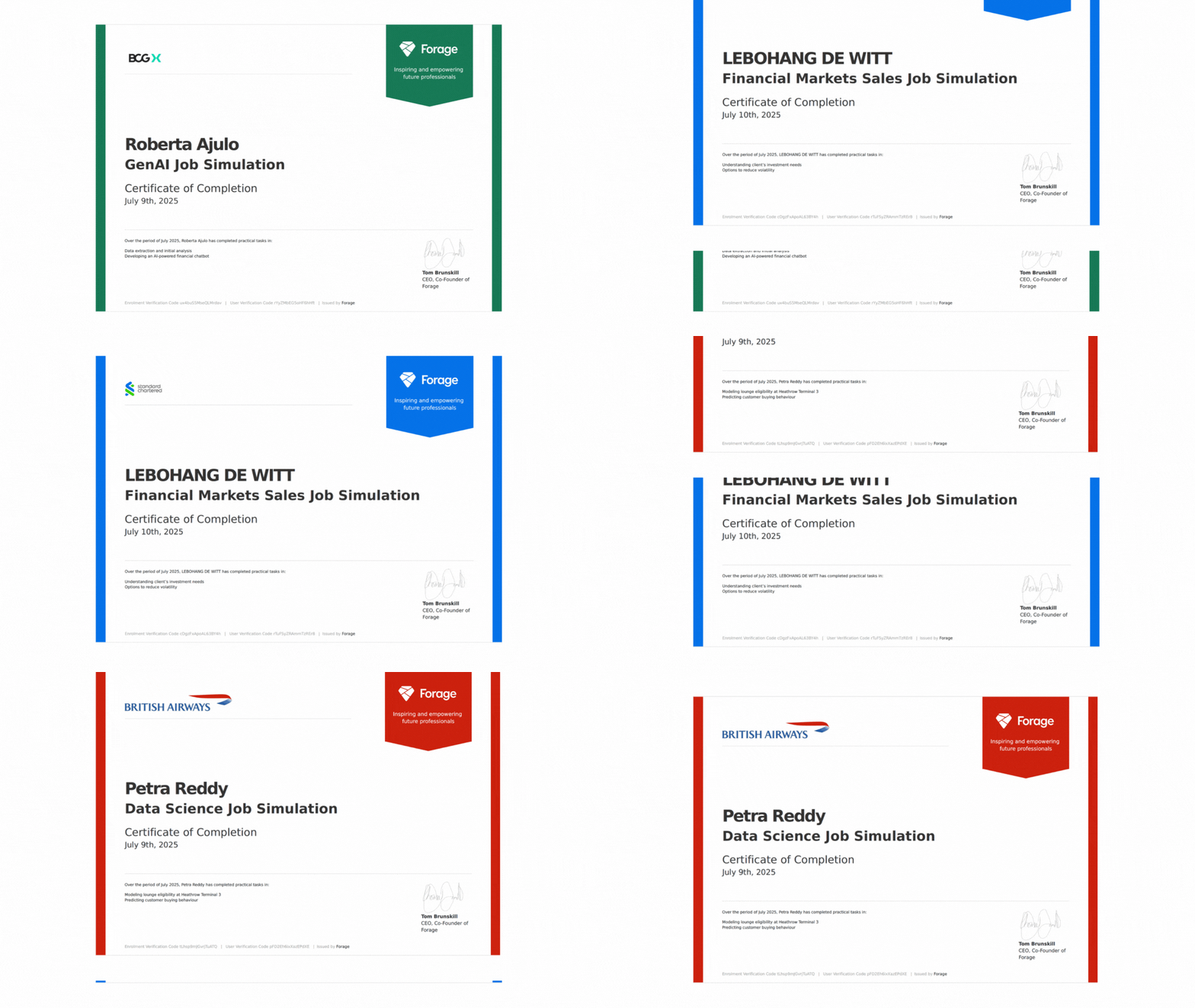
Build skills by doing. Every course includes hands-on projects that mirror real workplace challenges like building financial models plans, data dashboards, or marketing strategies. You won’t just learn about it - you’ll practice doing it. And projects are often curated from the world's largest organizations.
Flexible


Flexible
Collaborative learning


Collaborative learning
Work with peers from around the world on discussions that reflect global workplace dynamics. You won’t learn in a vacuum. Share ideas, get feedback, build a network - and be part of a global community that sharpens how you think.
Rewarding learning


Rewarding learning
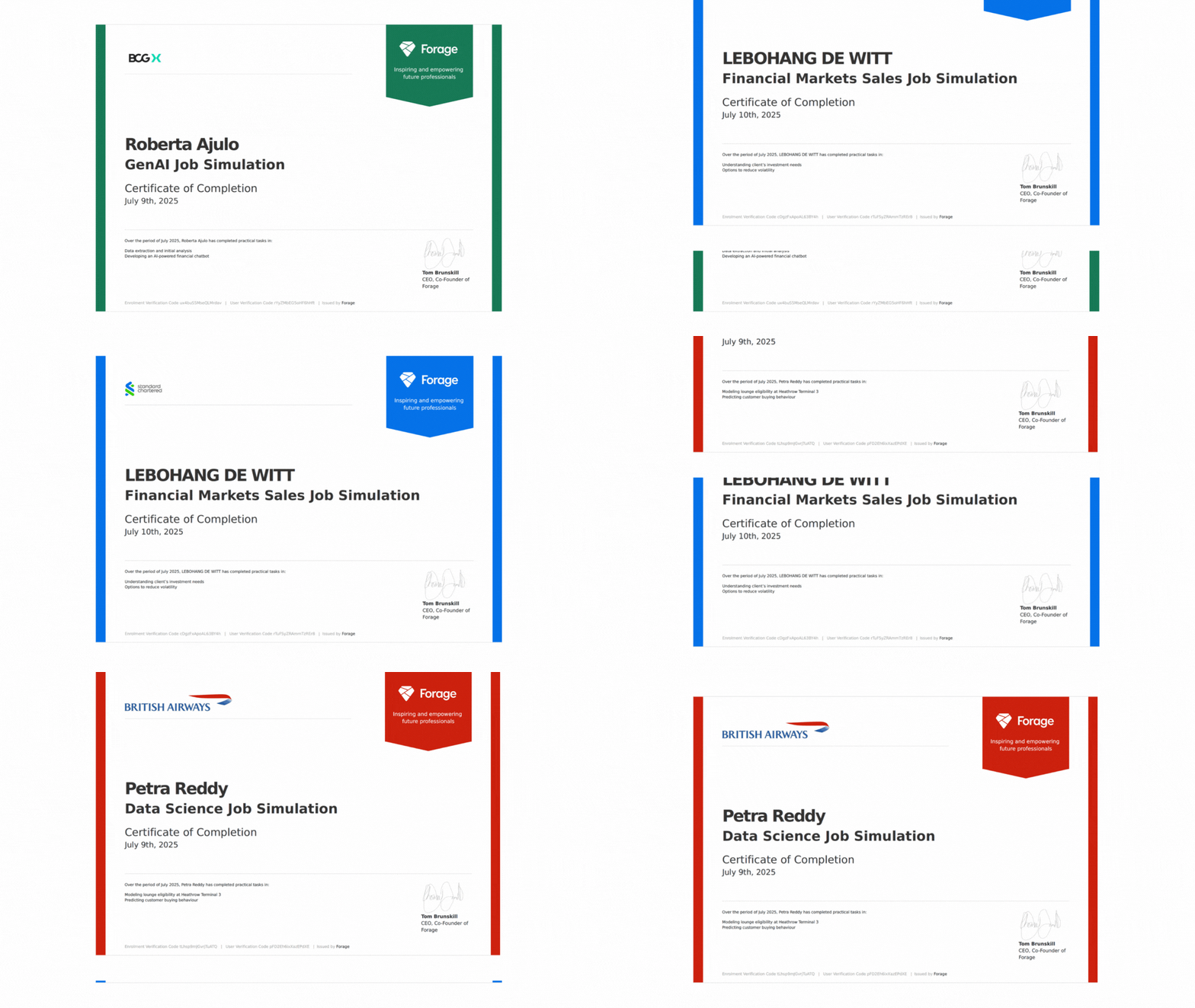
Earn certificates and digital badges for the skills you build - long before you finish your degree. Every project moves you forward and every milestone counts. Progress isn’t hidden, its rewarded and you get to share that progress as you grow.
Personalized support


Personalized support
You’re online but never alone. Book 1:1 time with faculty or advisors, join group sessions, or reach out anytime by chat, email, or online calls. Whether it’s academics or career advice, real humans are here - or bots if you prefer.
Technology enabled
Technology enabled
Expect a modern, fully online experience that just works - including on mobile. All required tools are included, and you’ll never pay extra for textbooks or software. No clunky systems or boring PDFs. Just online learning, made simple.
MSAI Admission requirements
You can upload your documents 100% online today
Proof of Identity


Proof of Identity
As part of the admissions process, applicants are asked to provide a photo or scan of a government-issued form of identification and a passport-style photo or selfie.
Undergraduate Degree Transcript


Undergraduate Degree Transcript
Graduate level applicants will need to have completed a bachelor’s degree at an accredited institution in business or technology-related field.
Proof of English Proficiency


Proof of English Proficiency
If your previous education was in English, your transcript will serve as proof of English proficiency. You can also provide scores from an approved qualification exam.
Where our learners work


Join us for a free virtual tour
Join us live to see how learning at Nexford works, hear from alumni, and get your questions answered by current learners, faculty, and staff.

Free online webinar
Get a live preview of Nexford courses and the tools our learners use. Hear from our team dedicated to your success.
Free online webinar
Get a live preview of Nexford courses and the tools our learners use. Hear from our team dedicated to your success.
Your dedicated career success platform
Your dedicated career success platform

Personalized Career Recommendations
Discover your strengths and uncover your personalized career paths with AI-powered personality and job-fit assessments.

Smart Resume & Interview Tools
Build standout resumes and get real-time interview feedback to ace your next interview.

1:1 Career Coaching
Book time with expert coaches for personalized guidance on job searches, networking, and long-term planning.

Access thousands of additional courses
Access thousands of additional optional courses & certifications to help you level-up at no additional cost.
Real projects you'll complete in your MS in AI and Technology Management
BYD: AI in Manufacturing

PWC: Tech Solutions from Needs

ACC: AI for Cost & Revenue

BYD: AI in Manufacturing
PWC: Tech Solutions from Needs
ACC: AI for Cost & Revenue
Your career outlook as a MS in AI & Technology Management graduate
This online master's degree in artificial intelligence program is built for those driving digital change – leading transformation projects, managing innovation, or working in tech-forward roles across industries, startups, or consultancies. These are real examples of roles held by our 4,000+ graduates.
AI Strategy & Leadership
- VP of AI Strategy
- Head of AI
- AI Ethics & Governance Lead
- Chief Innovation Officer
Product & Innovation
- AI Product Manager
- Innovation Manager
- Tech-Enabled Product Lead
Operations & Implementation
- AI Implementation Consultant
- Business Process Automation Specialist
- Digital Transformation Lead
- AI Project Manager

65%
of organizations have had to abandon AI projects due to lack of skills. The technology is ready—the workforce isn't. (source: Pluralsight 2025 AI Skills Report)

$163,250
Average salary for AI Product Managers. In top hubs like San Francisco, that number jumps to $205,000. (source: Wellfound)

7x
Growth in demand for AI fluency as leaders skilled in AI tools become essential, growing faster than any other skill category. (source: McKinsey: Agents, Robots, and Us Report)
Sources: Earnest, GMAC (Graduate Management Admission Council), LinkedIn Insights / Emerging Jobs Report, Pluralsight 2025 AI Skills Report, McKinsey Report: Agents, Robots and us, World Economic Forum, Deloitte Insights, PwC CEO Survey, Gartner, IDC (International Data Corporation), Statista, eMarketer, Kauffman Foundation, Crunchbase, OECD, World Bank, UNESCO Graduate Outcomes Survey, IBM Research, Harvard Business Review, National Association of Colleges and Employers, International Labour Organization, HubSpot & LinkedIn Marketing Report, Glassdoor Salary Insights
Hear from our alumni and their employers





Nexford is accredited.

Accredited by DEAC

The International Accreditation Council for Business Education (IACBE)
Accredited by DEAC
The International Accreditation Council for Business Education (IACBE)


